
🚨🔥 Behind Beyoncé’s Spotlight: The Emotional Weight of Medical Uncertainty, the Silence Behind the Music, and the Courage to Put Health First
The Silence After the Last Note
The thick acoustic doors of a private Los Angeles recording studio closed behind the final engineer, leaving the control room unusually still. Outside, the city moved at its familiar pace. Inside, a single lamp illuminated the mixing console, and a microphone stood in the vocal booth like a reminder of everything music can express, and everything it cannot. In this imagined scene, Beyoncé is not preparing to unveil another spectacular stage production. Instead, the room becomes a place to reflect on a question that belongs to everyone, famous or otherwise: what happens when life offers no immediate answers?
For audiences around the world, Beyoncé represents remarkable precision, stamina, creativity, and command. Her performances turn enormous venues into shared emotional experiences. Every detail appears deliberate, from the arrangement of a song to the movement of a spotlight. Yet that public image can obscure an ordinary truth. A person may be confident in one part of life and uncertain in another. No amount of applause can make waiting easier when the stakes feel personal.
 Archival illustrative image; not documentation of the scene described.
A Different Kind of Waiting
The imagined conversation begins not with a diagnosis, a hospital report, or a revelation about Beyoncé's own medical history, but with the experience of waiting for answers. Anyone who has watched a loved one undergo tests knows how strangely time can behave. An afternoon can feel longer than a month. A phone on the table can become impossible to ignore. Even reassuring words may not quiet every anxious thought.
That is the emotional territory this story explores. The recording studio, usually a place where an artist can reshape a difficult feeling into melody, cannot provide the certainty that people sometimes seek from medicine. It can, however, offer space to acknowledge fear without surrendering to it. In the stillness, the most meaningful message is not a dramatic announcement. It is the recognition that uncertainty does not erase dignity, and that asking for support is not a sign of weakness.
 Archival illustrative image; not documentation of the scene described.
The Pressure to Always Appear Strong
Celebrity culture often mistakes composure for invulnerability. When an artist delivers a demanding performance, viewers see the finished result rather than the countless rehearsals, logistical decisions, and human needs behind it. The same misconception follows famous people offstage. Fans may expect constant reassurance, while headlines reward any hint of a private struggle.
Beyoncé's public work offers a different lens through which to think about resilience. Across projects such as Lemonade, Renaissance, and Cowboy Carter, she has explored identity, transformation, inherited stories, and the power of artistic reinvention. Those works are not evidence of a private medical crisis. They do show why listeners often turn to her music when trying to make sense of difficult emotions in their own lives. A familiar chorus can give language to feelings that remain hard to explain in ordinary conversation.
 Archival illustrative image; not documentation of the scene described.
What Support Really Looks Like
Imagine a small circle of trusted collaborators sitting together after a long studio session. Nobody offers a sweeping prediction or claims to know what tomorrow will bring. Instead, someone pours a glass of water. Another person makes room for quiet. A friend asks whether anything practical would help. Such gestures can seem insignificant beside the scale of a world tour, but their value is immediate.
In situations involving real medical uncertainty, the most useful support is often grounded rather than theatrical. It may mean allowing someone privacy, respecting the pace at which they share information, or helping them follow the advice of qualified professionals. For family members and friends, listening without pressing for details can be its own act of care. And for fans, compassion sometimes means resisting the temptation to turn unanswered questions into viral certainty.
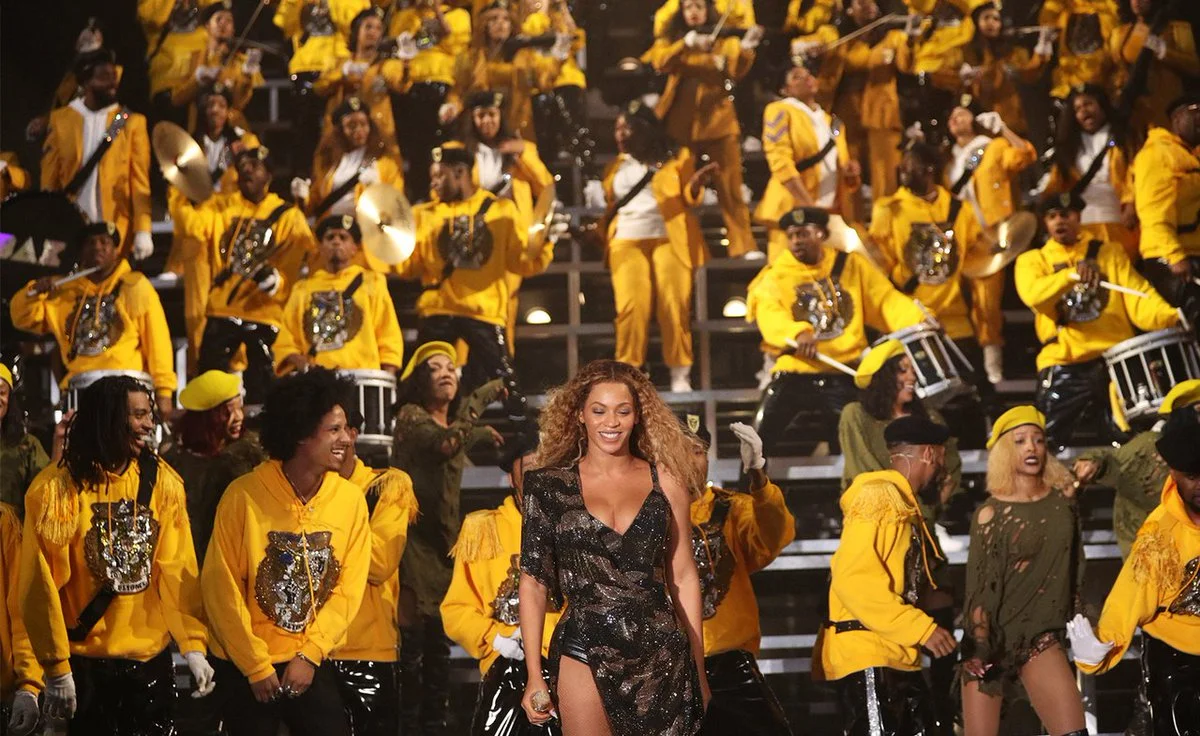 Archival illustrative image; not documentation of the scene described.
Why the Story Resonates Beyond Fame
The image of a superstar in a quiet studio has emotional power because it reverses the usual relationship between performer and audience. Millions of people have looked to Beyoncé for energy, celebration, and a sense of possibility. Here, the imagined spotlight turns toward a universal vulnerability. It asks readers to remember the people in their own lives who have endured difficult waiting periods without cameras, headlines, or public encouragement.
Some were waiting for a loved one's results. Others were facing decisions about work, caregiving, or recovery. Many discovered that strength did not always look like a brave speech. Sometimes it looked like getting through an ordinary day, making a necessary appointment, asking one more question, or resting when the body demanded rest. These experiences deserve empathy whether they belong to an internationally recognized artist or someone living far from the public eye.
 Archival illustrative image; not documentation of the scene described.
The Message That Remains When the Lights Go Down
As the evening ends in the imagined Los Angeles studio, the monitors fade to black and the last chord seems to linger in the room. Nothing has been dramatically resolved. No secret test result appears, and no invented medical bulletin supplies an easy ending. What remains is a quieter idea: people are more than their productivity, their public achievements, or their ability to appear unshaken.
Beyoncé's music has often accompanied listeners through moments of celebration and change. That connection can inspire a thoughtful conversation about health without assigning her a private struggle she has not publicly disclosed. The important lesson belongs to everyone. There is courage in seeking care, wisdom in respecting uncertainty, and humanity in giving someone space to move through a difficult season on their own terms.
When the stage lights return, audiences may hear the music differently, not because an unverified confession has rewritten its meaning, but because they have remembered the people behind every performance. Fame can magnify a voice. It cannot replace the simple, indispensable value of being heard.