Deconstructing Digital Bait: Analyzing the Fake Caitlin Clark "Bombshell Announcement" and Online Exploitation
A widely circulated social media prompt recently claimed that Indiana Fever star Caitlin Clark and her family made a dramatic, career-altering announcement just minutes ago. Featuring urgent text like "🚨 BREAKING 45 MINS AGO" and promises of a "massive bombshell" accompanied by high-energy emojis, the post directed readers to click an external link for the "full story."
However, a factual review reveals that no such emergency announcement took place. The post represents a classic template of clickbait engagement farming—a tactic engineered to exploit the immense media interest surrounding WNBA figures for web traffic and social media monetization.
Front Office Sports
Anatomy of an AI-Driven Clickbait Hook
Posts of this nature rely on precise psychological triggers to prompt immediate actions (clicks, shares, and comments) before the user has time to evaluate the claim's authenticity:
- Artificial Time Urgency: Phrases such as "BREAKING 45 MINS AGO" build an artificial sense of immediacy. This creates FOMO (fear of missing out), enticing sports fans to react instantly without waiting for traditional news verification.
- Vague High-Stakes Vocabulary: The narrative uses emotional, high-stakes buzzwords like "bombshell announcement," "family," and "shockwaves." Noticeably, it omits key concrete details—such as injuries, contracts, or specific events—forcing the user to click the link to satisfy their curiosity.
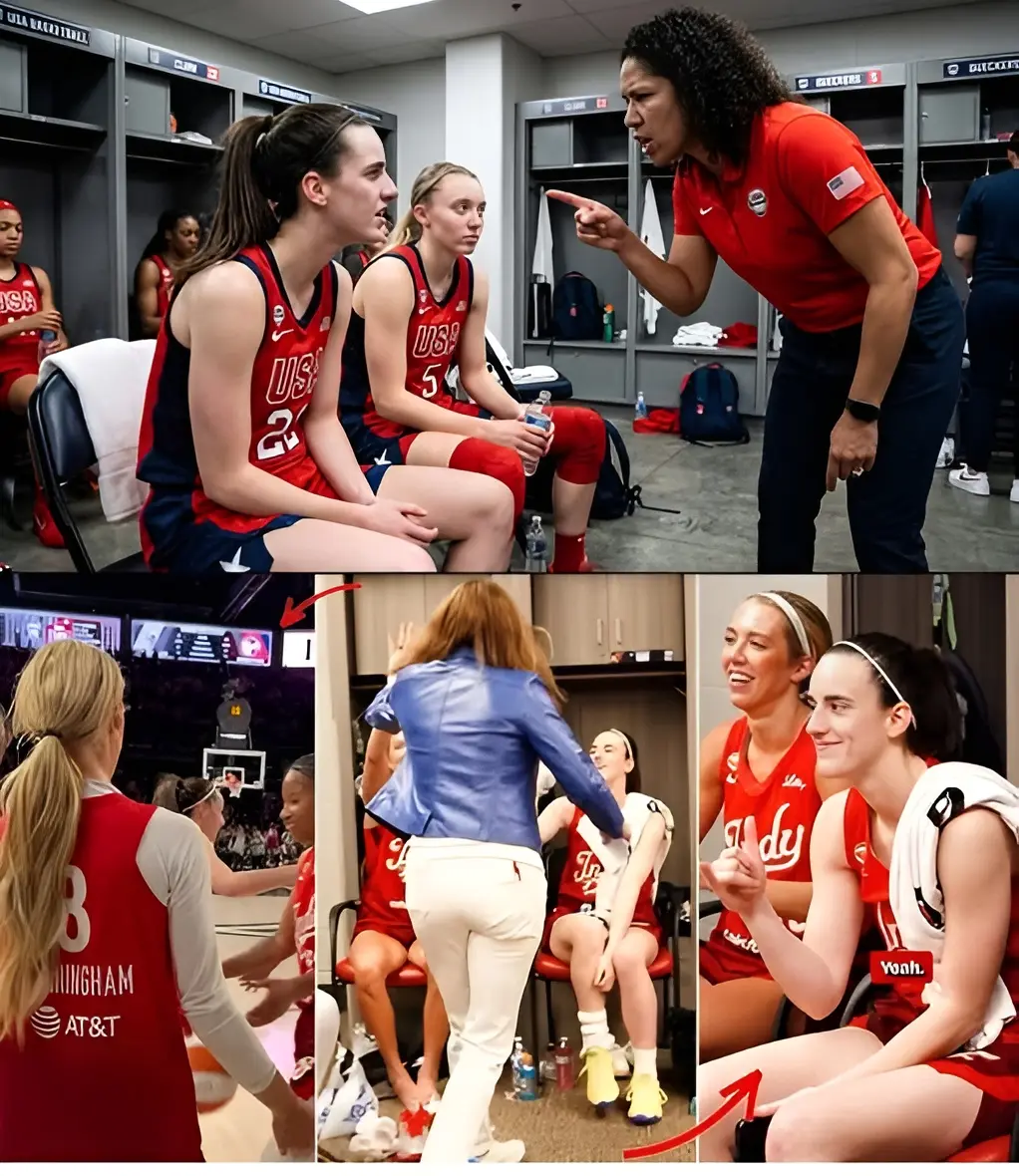
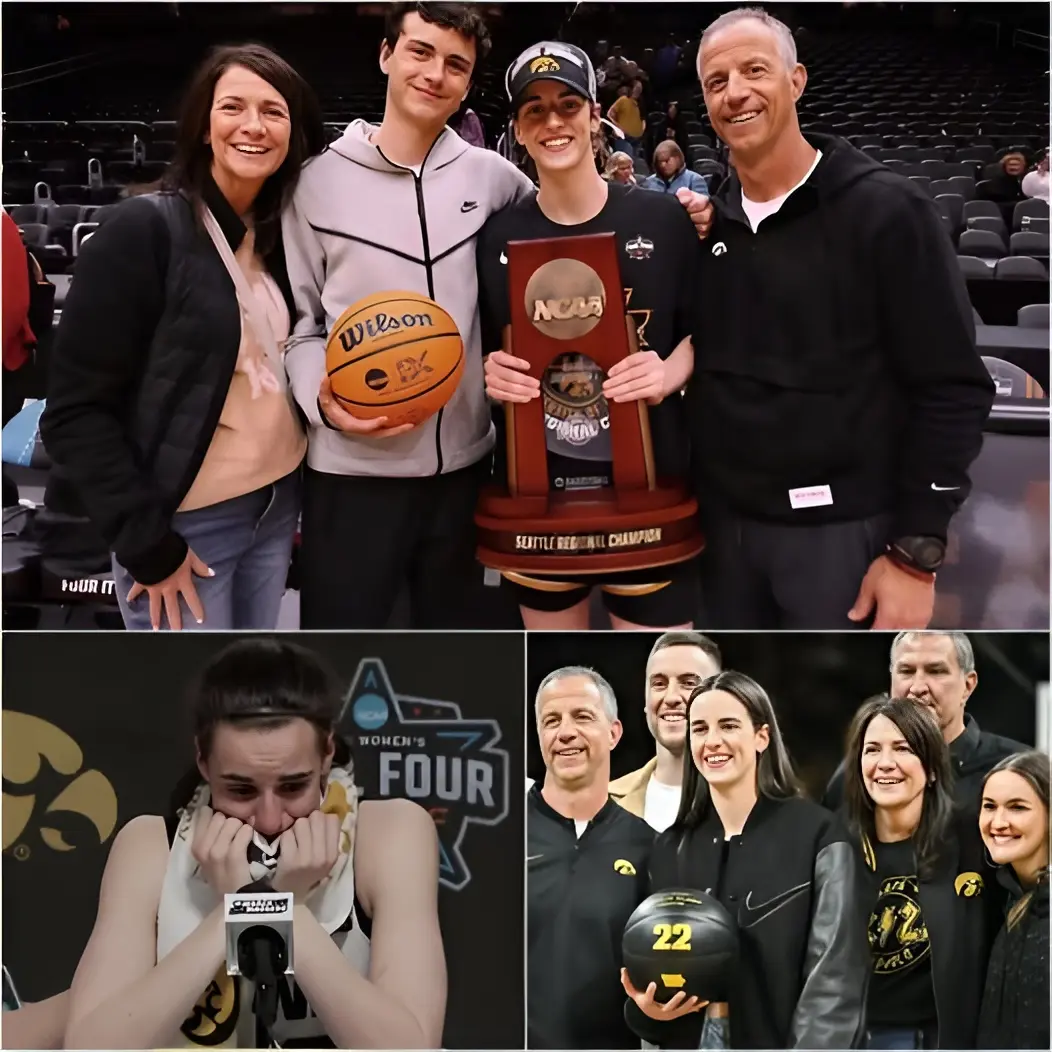
- Out-of-Context Visual Elements: Fake posts typically feature distorted thumbnail images, red arrows, or dramatic text overlays to mimic authentic, breaking sports news coverage.
Why Caitlin Clark is a Primary Target for Engagement Farming
Since transitioning from her record-setting collegiate career at the University of Iowa to the WNBA, Caitlin Clark has become one of the most searched athletes globally. This massive public interest has made her a primary subject for automated content networks and sensationalized channels.
Spammers and engagement farmers frequently target high-profile athletes for several reasons:
- Algorithmic Favorability: Search engines and social media platforms prioritize active topics. Incorporating names like Caitlin Clark ensures higher placement on recommendation feeds.
- High Commercial Value: Articles related to popular sports figures generate higher ad rates (CPM), making clickbait campaigns exceptionally lucrative for site owners.
- Active Online Communities: Basketball fans actively engage in online commentary, making them quick to react when sensational titles suggest internal team drama or personal life updates.
The Real Story Behind the Headline Trend
While fake headlines promise non-existent scandals, authentic reporting around Clark and her family paints a markedly different picture. Major developments involving Clark usually revolve around her on-field performance with the Indiana Fever, historic rating metrics, commercial partnerships, and charitable initiatives launched through the Caitlin Clark Foundation.
Front Office Sports+ 1
When genuine, significant announcements occur—such as contract extensions, major brand deals, or injury updates—they are released directly through official team press releases, verified social media accounts, or established news outlets like ESPN, The Associated Press, and Reuters. They do not originate from obscure, link-gated posts on social media.
How to Identify and Avoid Fake Sports News
As generative AI tools lower the barrier for creating convincing fake headlines, sports fans can protect themselves from misinformation by following a few simple steps:
- Verify the Publisher: Check if the account sharing the news carries an official verification mark or belongs to a established news organization. Be wary of accounts with generic handles like "@HoopsNewsToday" or "@WNBABreaking."
- Search Major Outlets First: If an announcement is truly "sending shockwaves throughout the basketball world," it will be covered immediately by reliable sports networks. If a simple web search returns no coverage from major media outlets, the post is a hoax.
- Beware of "Link in Bio" Traps: Legitimate breaking news posts usually provide the core facts directly in the post body, rather than forcing users to click through multiple ad-filled websites to find out what happened.
The viral post promising a "massive bombshell" from Caitlin Clark is nothing more than engagement bait. Recognizing these patterns helps readers filter out digital noise and stay focused on authentic sports reporting.
Front Office Sports
Skip Bayless Falls for Fake News on Caitlin Clark, Stephanie White