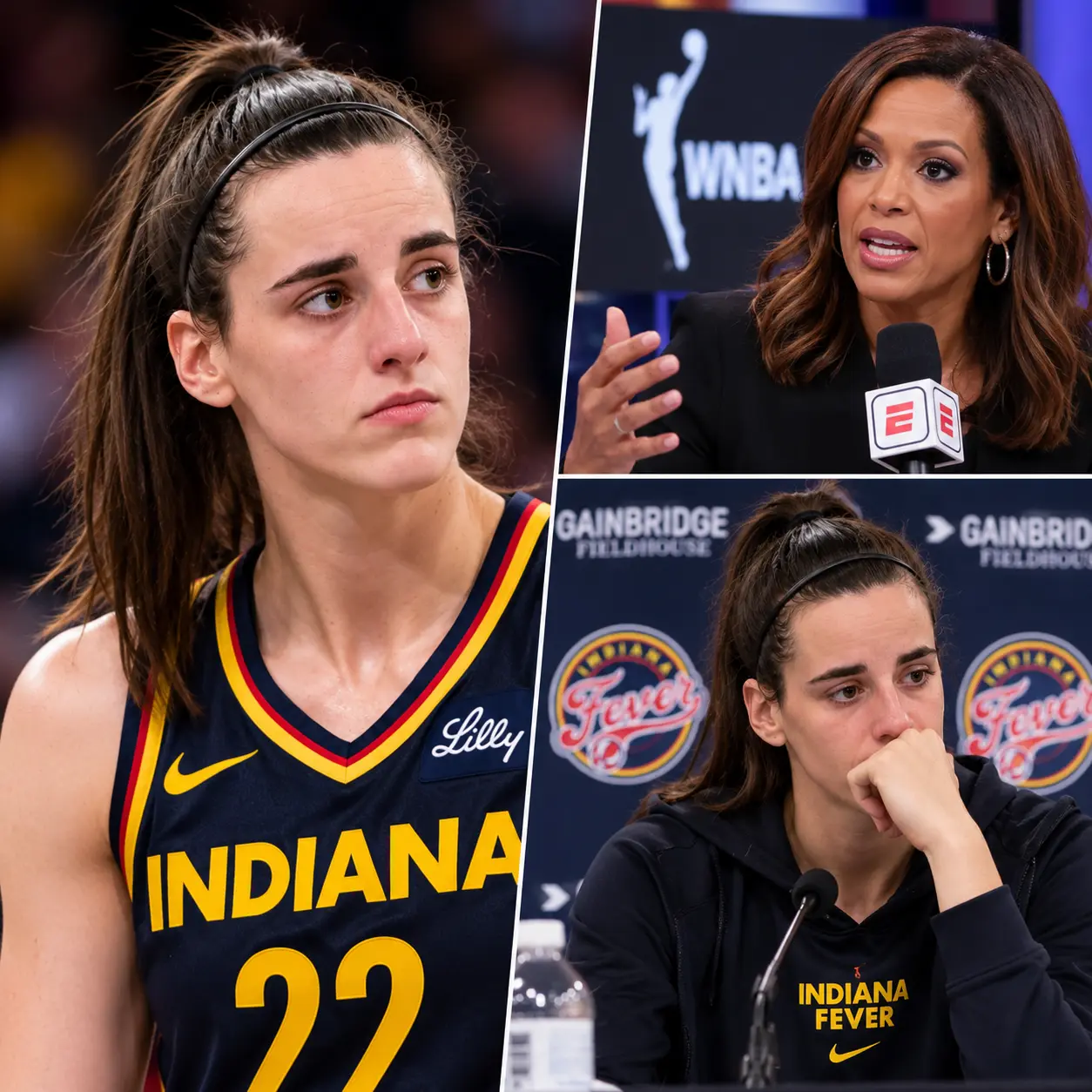
🚨🔥 CAITLIN CLARK IS BACK AT THE CENTER OF A HUGE WNBA DEBATE - AND THIS TIME THE ARGUMENT GOES FAR BEYOND BASKETBALL
INDIANAPOLIS - Caitlin Clark is once again at the center of a national WNBA conversation, but the latest debate has almost nothing to do with points, assists or playoff results.
Former ESPN personality and current broadcaster Elle Duncan said Clark has been placed in a “completely unfair situation” since entering the league, arguing that the Indiana Fever star has been turned into an “avatar” for larger cultural arguments that existed long before she ever stepped onto a WNBA court.
The comments immediately reignited a debate that has followed Clark since her rookie season: how much responsibility should one young athlete be expected to carry for arguments involving race, media coverage, fan behavior and the direction of the league itself?
Duncan says Clark was placed in an impossible position
Duncan's central argument is that Clark entered the WNBA as a 22-year-old athlete from Iowa and almost immediately became the face of conflicts that had been building for years. Her popularity exploded, television audiences grew, arenas filled and every conversation involving Indiana seemed to become larger than the game itself.
According to Duncan, that made Clark a convenient symbol for people on all sides of wider cultural debates. Some fans used her success as evidence that the league had failed to market itself properly before her arrival. Others pushed back against the idea that one player deserved so much attention.
The result was an environment where nearly every Clark story seemed to become political or cultural, even when the original subject was simply basketball.
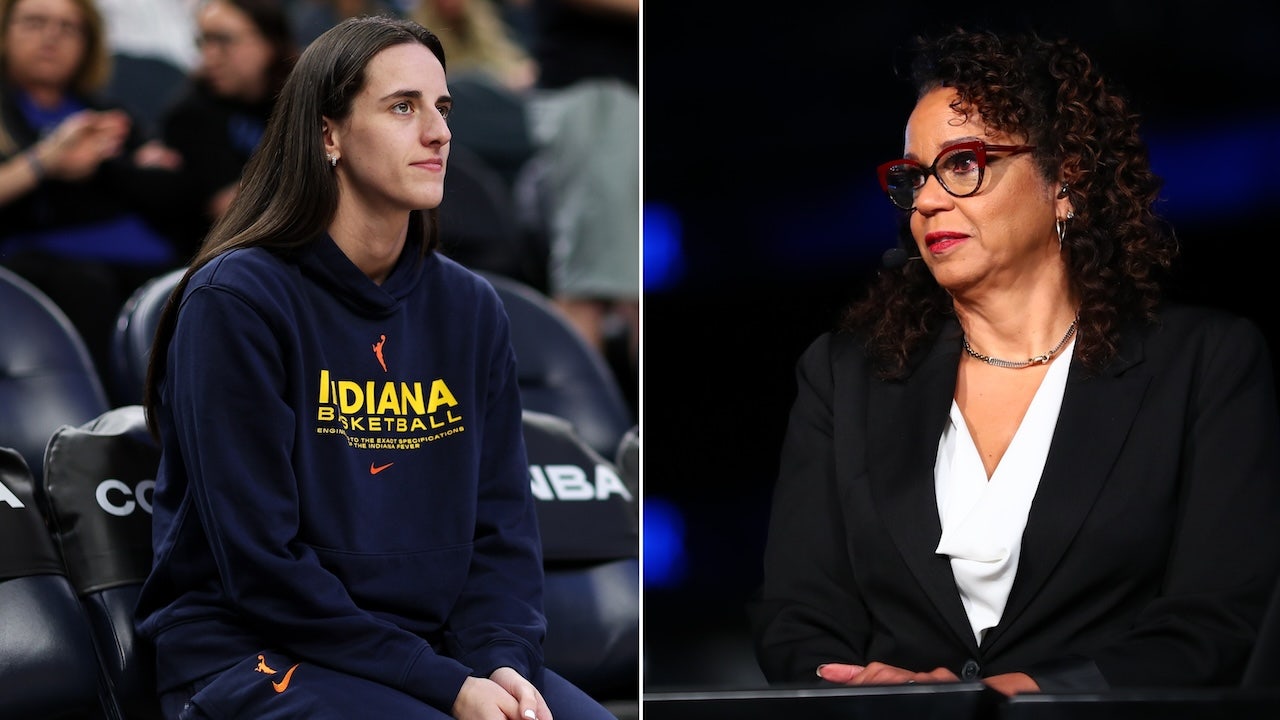
The spotlight has created opportunity - and pressure
There is no question that Clark's popularity has helped transform the Fever into one of the most visible teams in professional basketball. Indiana games regularly became national television events, attendance increased dramatically and Clark's name reached audiences far beyond traditional WNBA fans.
But that attention has also placed an extraordinary level of scrutiny on everyone around her.
Kelsey Mitchell discussed that reality during her exit interview, saying playing beside Clark can be difficult because teammates receive criticism and hostile messages simply for being associated with her. Clark later addressed those comments directly, saying it upset her to see teammates targeted and condemning racist rhetoric connected to people claiming to support her.
That exchange became important in the current debate because it showed the human cost of turning one player into the center of every league-wide argument.
Every incident becomes bigger when Clark is involved
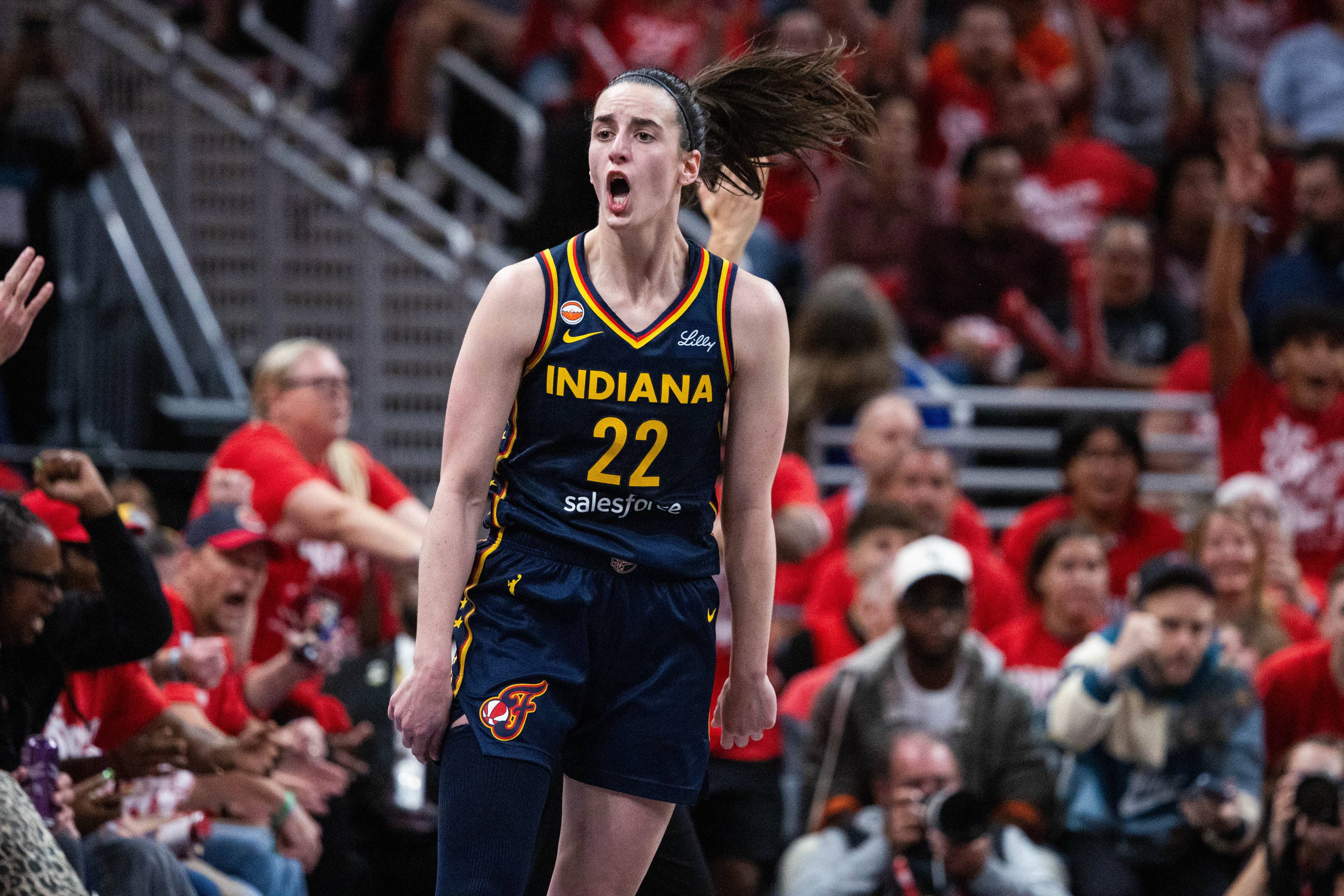
Clark plays with emotion. She argues calls, competes physically and reacts strongly to big moments. In another context, those moments might remain ordinary basketball stories. With Clark, they often become national debates.
A hard foul can trigger days of television discussion. A sideline exchange can become evidence of supposed locker-room problems. A ranking, award vote or marketing decision can turn into an argument about whether the league respects its biggest star.
That constant escalation is part of what Duncan was describing when she said the WNBA conversation has become toxic. Her point was not that Clark should be immune from criticism. It was that the expectations placed on her have expanded far beyond what would normally be asked of a young professional athlete.
Clark has tried to keep the focus on basketball
Throughout the controversy, Clark's public messaging has remained remarkably consistent. She has repeatedly said she wants to win, improve and help Indiana compete for championships.
At her Oct. 8 exit interview, she spoke about roster construction, Kelsey Mitchell's future, Stephanie White and her own possible contract extension. She did not attempt to position herself as the spokesperson for every social issue surrounding the WNBA.
At the same time, when she has been directly asked about racism or hateful behavior, Clark has condemned it clearly.
That balance is at the center of Duncan's argument. Clark is a basketball player with enormous influence, but influence does not automatically make her responsible for solving every cultural conflict surrounding the sport.

The Mitchell connection makes the debate more personal
The discussion becomes especially important because Indiana is entering a crucial offseason. Mitchell is an unrestricted free agent, and Clark has publicly said keeping her should be the Fever's number one priority.
If the environment around Clark becomes exhausting for teammates, that is no longer just a media issue. It could affect roster construction, chemistry and the franchise's ability to keep players together.
That is why the latest comments have attracted so much attention. The question is no longer simply whether Caitlin Clark is treated fairly by broadcasters or fans. The larger question is whether the WNBA can celebrate the massive audience Clark brings while preventing that attention from becoming a constant source of division around players who simply want to compete.
The argument is unlikely to disappear
Clark remains one of the most famous athletes in women's sports, and that means the spotlight will not suddenly fade. Every Indiana game, contract discussion and major league decision involving her will continue to attract enormous attention.
But Duncan's comments challenge fans and broadcasters to separate basketball from the larger agendas that have often been attached to Clark.
Caitlin Clark can be a superstar without being responsible for every WNBA controversy. She can grow the league without being used as a weapon against other players. And she can speak against hate without becoming the person expected to solve problems that existed before she arrived.
That may be the most important point in the latest debate - and it is why this conversation is likely to continue long after the offseason begins.