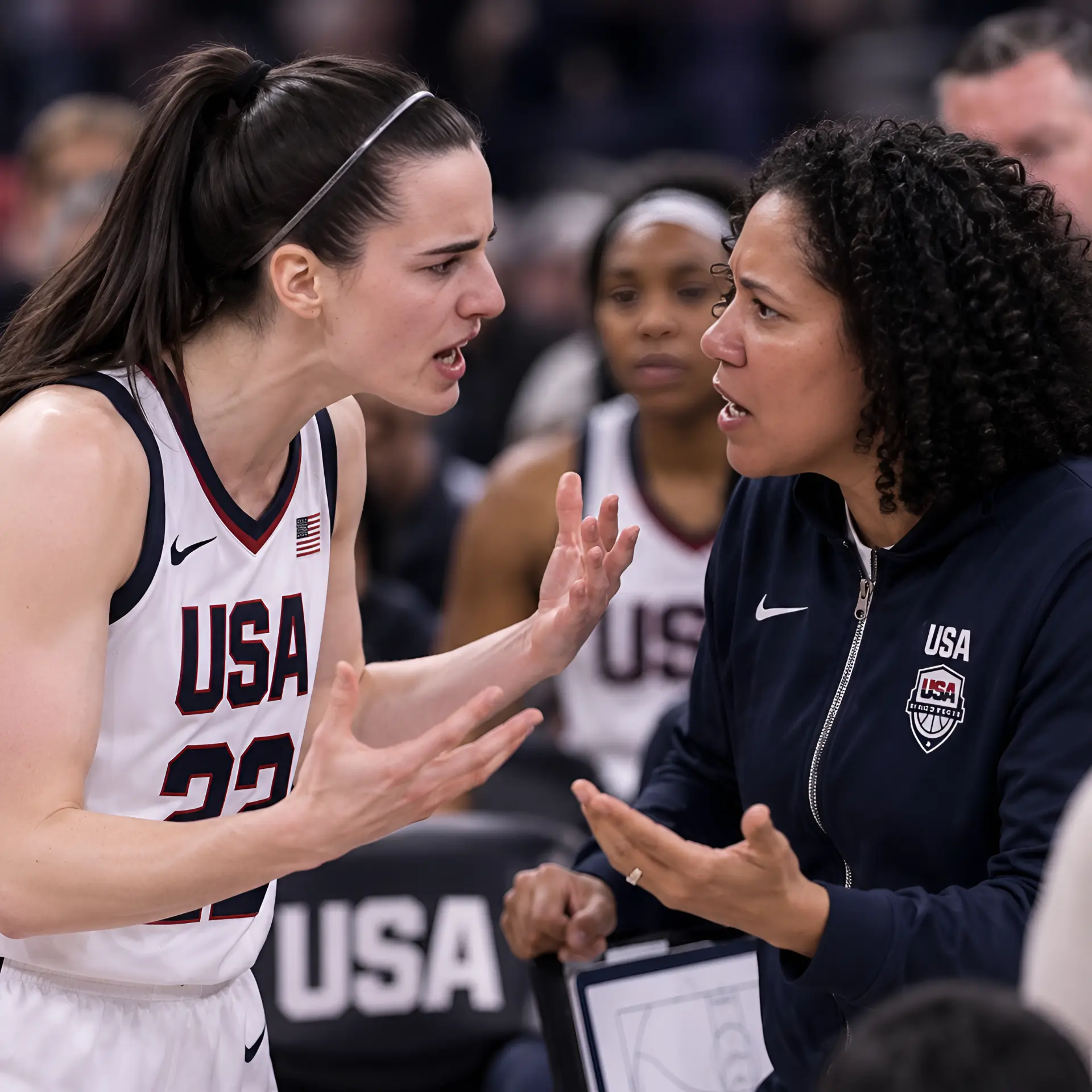
The Anatomy of WNBA Engagement Bait: Dissecting the Fake Caitlin Clark Locker Room Drama
A viral headline recently began circulating across social media channels and low-tier sports blogs, breathlessly proclaiming: "SPILLED: Caitlin Clark CAUGHT Laughing After Kara Lawson READ Team USA - SCALDING!" The post alleged that during a tense, post-game locker room confrontation, Duke women's basketball head coach (and former Team USA assistant) Kara Lawson delivered a blistering rant to players, only for Indiana Fever star Caitlin Clark to laugh out loud, smirk at a furious veteran, and deliver a "cold, ruthless 5-word reply" that left coaches speechless.
Complete with promises of "leaked audio" tucked behind a click-through link, the story spread rapidly among basketball fans. However, a basic journalistic examination reveals that the entire narrative is entirely fabricated—a text-book example of AI-generated engagement bait designed to exploit public interest in women's basketball.
Fact-Checking the Incident: A Complete Fabrication
Despite the dramatic prose and hyper-specific details, there is zero factual basis for the alleged confrontation:
- No Verifiable Audio or Reporting: No major sports news outlet—such as ESPN, The Athletic, the Associated Press, or regional beat writers—has reported on any locker room altercation involving Caitlin Clark, Kara Lawson, or Team USA veterans. The promised "leaked audio" does not exist; clicking the link typically redirects users to ad-laden clickbait websites or unrelated promotional pages.
- Fabricated Timeline and Context: Kara Lawson served as an assistant coach for the 2020 Tokyo Olympics 5x5 team and head coach for the 3x3 team, but she was not the head coach of the 2024 Paris Olympic 5x5 national team (coached by Cheryl Reeve). Furthermore, Clark was not on the 2024 Olympic roster, making a shared locker room rant between Lawson, Clark, and Team USA veterans chronologically and logically impossible.
- Sensationalized Framing: Phrases like "SCALDING!", "dead silence," "didn't flinch," and "left the coaching staff paralyzed" are theatrical markers of fiction engineered to evoke immediate curiosity rather than report objective facts.
Why Caitlin Clark is a Primary Target for Fake News
Since her record-breaking collegiate career at Iowa and her landmark rookie season in the WNBA, Caitlin Clark has become one of the most polarizing and heavily discussed figures in modern American sports. Content creators routinely leverage her name because her media footprint guarantees traffic.
Several factors drive the prevalence of these artificial narratives:
- Rookie vs. Veteran Tropes: Sensationalized stories often rely on classic narrative arcs—such as the arrogant rookie clashing with established veterans. Fabricating a narrative where Clark supposedly defies authority plays directly into established, oversimplified tropes that trigger heated arguments in comment sections.
- The "Culture War" Framing: Coverage surrounding the WNBA’s surge in popularity has frequently been co-opted by political and cultural debates. Fake headlines designed to make players or coaches look overly aggressive or disrespectful capitalize on pre-existing tensions among online commentators.
- High Keyword Demand: Algorithms on platforms like YouTube, Facebook, and X (formerly Twitter) prioritize topics with high search volume. Combining "Caitlin Clark," "Team USA," and dramatic keywords like "LEAKED" virtually guarantees algorithmic distribution.
The Business Model Behind Synthetic Sports Journalism
These fabricated stories are rarely written by traditional sports reporters. Instead, they are produced at scale using automated text-generators and natural language models operating within content farms.
The primary objectives of this operation are straightforward:
- Click-Through Monetization: Headlines are structured as cliffhangers ("delivered a cold, ruthless 5-word reply...") without actually disclosing the detail in the post itself. Readers are forced to click through to external websites filled with high-density display ads, generating revenue for the site owners per impression.
- Social Media Inflation: Accounts that post high-friction, rage-bait content see elevated comment rates from users debating whether the story is real. Increased interaction signals to platform algorithms that the account is active, increasing its reach for future monetization.
Spotting Fake Sports News in the Digital Age
As AI-generated sports stories become more persuasive, sports fans must develop critical evaluation habits:
- Verify the Source: Legitimate sports news breaks through accredited journalists and established media organizations. If a major story relies entirely on unverified social media posts or obscure blogs without primary video or audio footage, it is almost certainly false.
- Identify Suspicious Headlines: Articles that rely on ALL CAPS, emotional buzzwords ("SCALDING," "EXPOSED," "DEVASTATING"), and vague cliffhangers are designed for engagement farming, not news delivery.
- Check the Roster and Context: Fact-check basic details such as team rosters, coaching staffs, and game schedules. Discrepancies in basic context immediately expose synthetic stories.
While Caitlin Clark’s actual performance on the court continues to generate genuine media coverage, headlines depicting dramatic, movie-like locker room clashes are nothing more than digital illusions created for online monetization.