Caitlin Clark's Powerful Message Sends a Warning Across the WNBA — And Her Next Move Could Change Everything for Indiana Fever


7
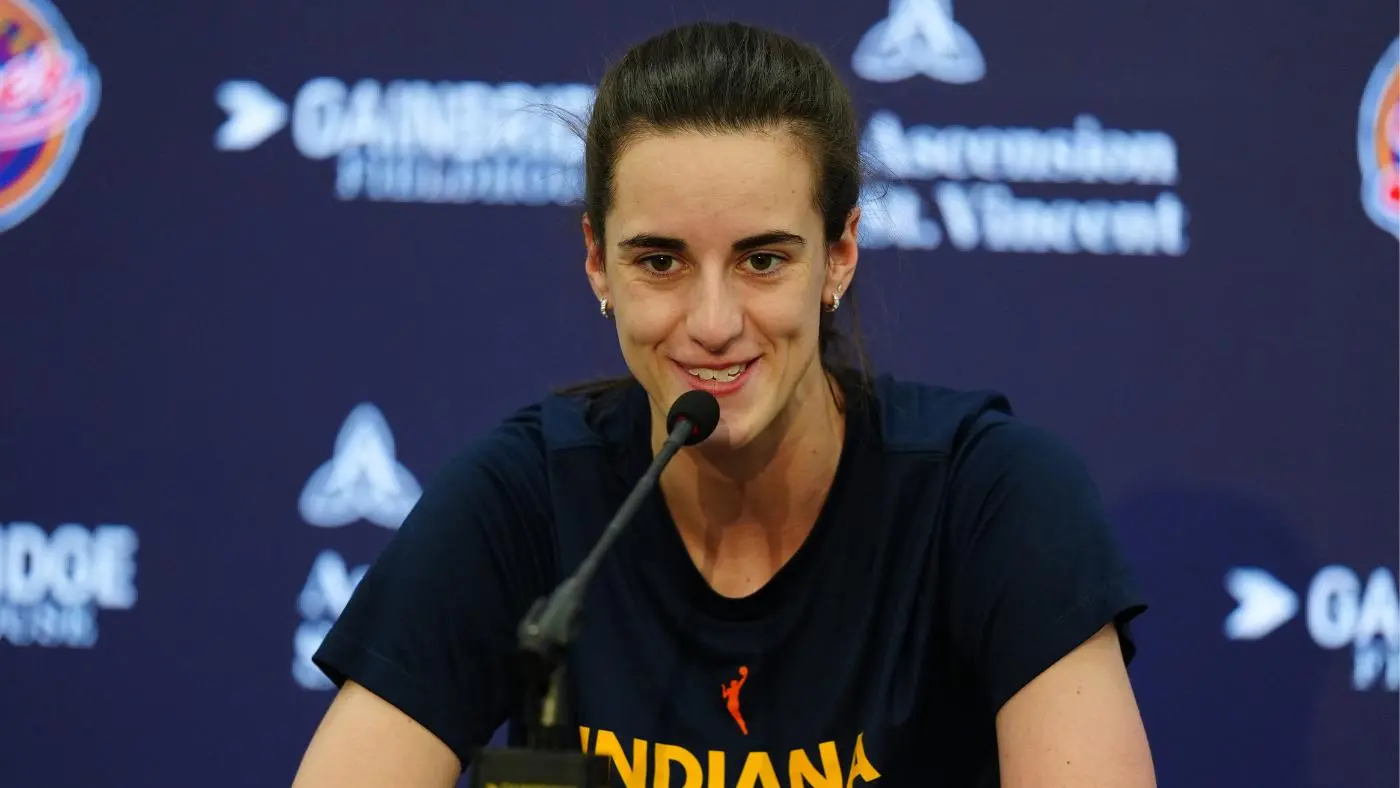
INDIANAPOLIS — Caitlin Clark has once again placed herself at the center of a major WNBA conversation, but this time, the attention is not focused on a spectacular three-pointer, a record-breaking performance, or a heated confrontation on the basketball court. Instead, the Indiana Fever superstar has delivered a series of remarkably candid remarks about her future, her value, and the sacrifices she may be willing to make to build a championship team. Speaking during her October 8, 2026, season-ending interview, Clark addressed a potentially significant contract decision that could shape the Fever's roster for years to come. Her message was not an announcement of a departure or a formal challenge to league leadership. Rather, it offered a revealing glimpse into the priorities of a player who understands both her extraordinary influence and the financial realities of professional basketball. "My focus is on winning. I certainly know what I deserve and what I'm worth," Clark explained, before acknowledging that "sometimes you have to make sacrifices." Those words have become particularly meaningful as Indiana prepares for an offseason filled with difficult personnel decisions and enormous expectations.
Yahoo Sports
+1
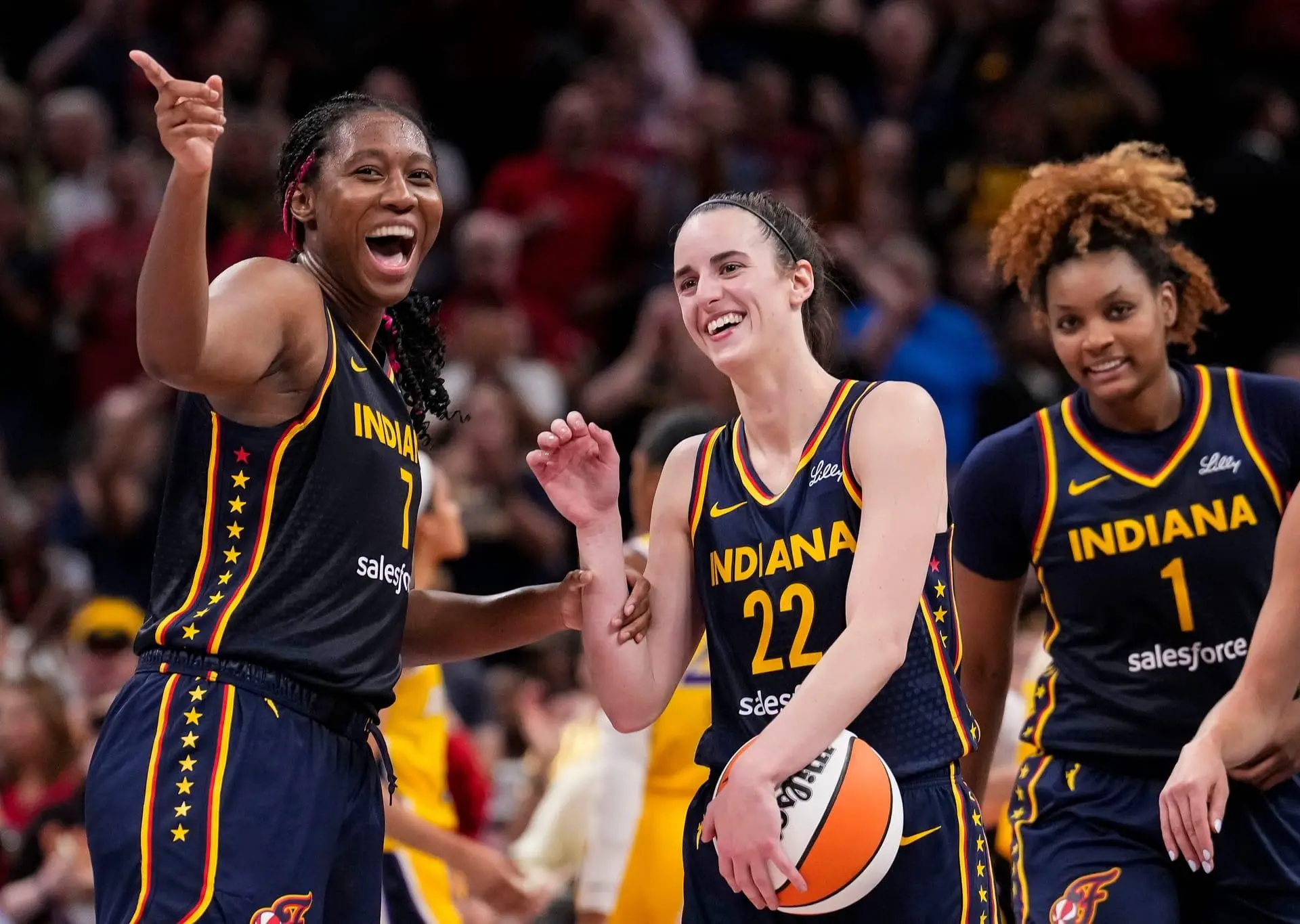
At the heart of the discussion is Clark's eligibility for an Exceptional Performance on Initial Contract extension, commonly known as an EPIC extension. The provision offers qualifying young stars an opportunity to renegotiate their rookie contracts and potentially secure a much more lucrative long-term agreement. For an athlete whose popularity has transformed the commercial visibility of women's basketball, such an opportunity would ordinarily appear straightforward. Yet Clark has declined to commit to signing the extension, emphasizing that the Fever must first consider how to construct a roster capable of competing for championships. Her position introduces a fascinating question: Could one of the league's biggest stars prioritize financial flexibility for her team over immediately maximizing her own contract? Clark has not announced a pay cut or agreed to any particular contract terms, but her willingness to discuss the issue openly has added another dimension to Indiana's offseason strategy. The situation becomes even more consequential when Kelsey Mitchell enters the conversation. Mitchell, one of Indiana's most important offensive weapons, is approaching unrestricted free agency after nine seasons with the organization. Clark has made clear that retaining her backcourt partner is among the franchise's most important priorities. During the same interview, she emphasized how much she values Mitchell's contributions and expressed her desire to continue playing alongside her. "We need her," Clark said, underscoring the urgency surrounding the veteran guard's future. The importance of that relationship extends beyond individual statistics. Indiana's hopes of becoming a consistent championship contender depend on maintaining the offensive chemistry and leadership that its established stars have developed together. Losing a player of Mitchell's caliber would create a substantial challenge, while keeping her could provide continuity as the Fever attempt to strengthen other areas of the roster.
Yahoo Sports
+1
But Clark's most forceful message was not about money or basketball strategy. It concerned the treatment of her teammates and the increasingly hostile environment surrounding parts of the WNBA conversation. Responding to Mitchell's account of hateful messages and online harassment, Clark firmly rejected attempts to use her popularity as justification for racism or discrimination. She made clear that such behavior does not represent her beliefs or the values she wants associated with her career. The remarks carried particular significance because Clark's arrival in the league has coincided with enormous growth in attention, ticket demand, and media coverage. That visibility has brought exciting opportunities for players and organizations, but it has also intensified scrutiny and exposed athletes to damaging personal attacks. Clark's comments demonstrated her willingness to address that uncomfortable reality publicly rather than allowing the controversy to remain unanswered. For the Fever, the stakes now reach far beyond a single contract negotiation. The franchise must evaluate how to retain its most important contributors, improve roster balance, and translate its star power into sustained postseason success. Indiana's 2026 campaign ended with a first-round playoff exit, leaving questions about defensive consistency and overall roster construction. Clark acknowledged areas where the team needs improvement while emphasizing her intention to continue developing her own game. She also indicated that she expects to participate in conversations about potential roster additions, although final personnel decisions remain the responsibility of general manager Amber Cox. That distinction matters because it demonstrates the difference between having influence and controlling an organization. Clark can advocate for teammates, communicate her preferences, and help recruit talent without independently determining the franchise's direction.
WNBA
+1
Across the WNBA, the broader implications are impossible to ignore. Clark's financial decisions, public statements, and leadership approach will inevitably attract attention because of her status as one of the sport's most recognizable figures. Her willingness to consider team-building needs alongside personal compensation could become an important example in discussions about how franchises manage their stars under a salary cap. At the same time, her rejection of harassment reinforces the responsibility that comes with extraordinary visibility. There is no verified evidence that Clark has issued a secret ultimatum, announced a revolutionary league-wide plan, or threatened to overturn the WNBA's established structure. The potentially transformative development is more practical: a young superstar is publicly confronting the difficult balance between individual value, collective ambition, and the culture surrounding professional women's basketball. As Indiana approaches a defining offseason, Clark's next decisions could influence the franchise's competitive future and contribute to wider conversations about player empowerment. Whether she signs an extension, helps convince Mitchell to remain, or plays a central role in recruiting additional talent, the choices ahead will be closely examined. For now, one message stands above the speculation: Caitlin Clark wants to win, understands her worth, and appears determined to help build a team capable of competing at the highest level. The biggest question is no longer simply how much Clark can accomplish individually, but how far Indiana can go if its biggest star helps put the pieces together.