INSIDE THE TEAM USA DRAMA: LEAKED FOOTAGE EXPOSES KARA LAWSON’S ULTIMATUM AND CAITLIN CLARK’S BENCH CONTROVERSY
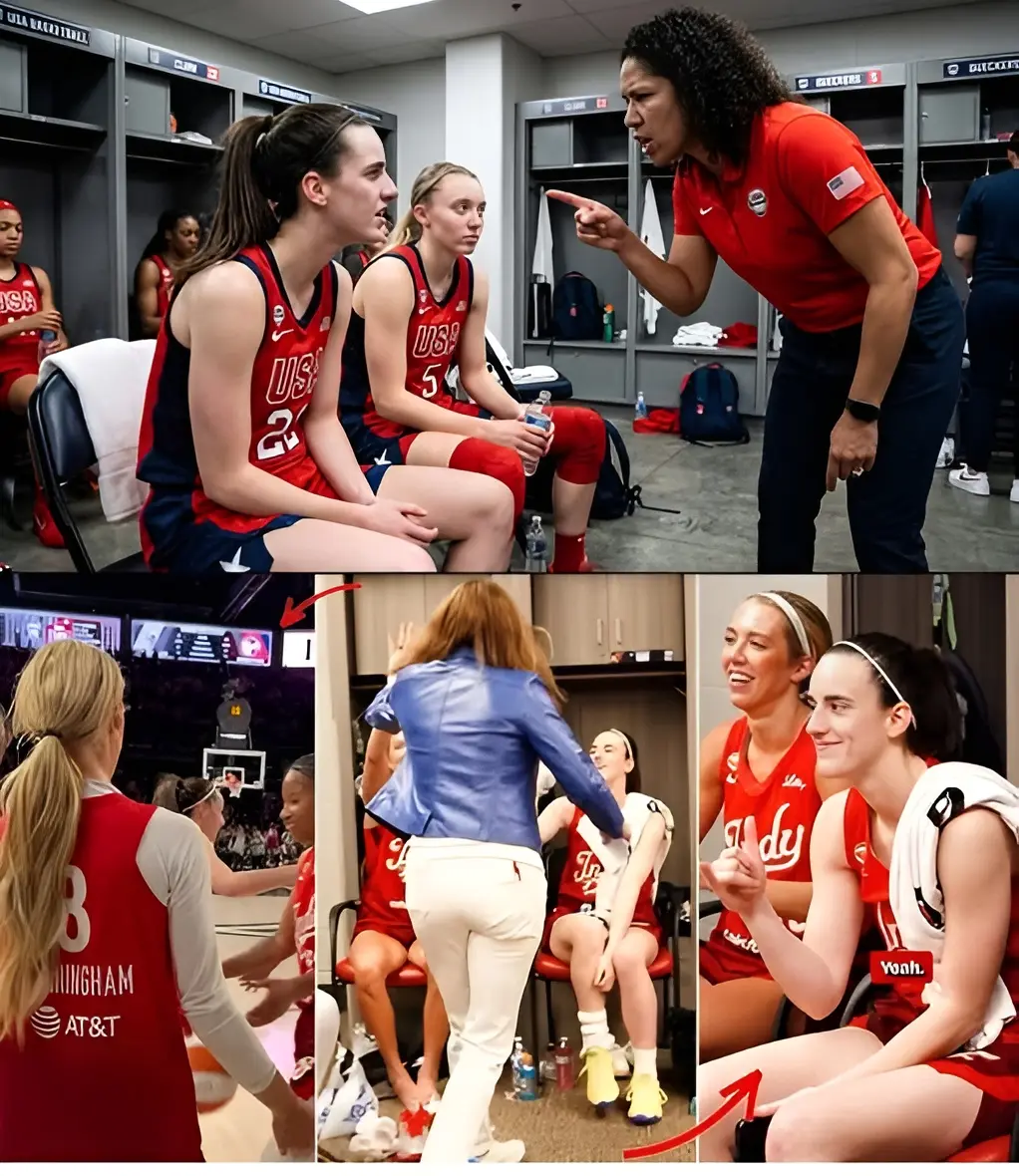
A sensational online narrative claiming that leaked locker room video exposed an explosive rift between Team USA head coach Kara Lawson and superstar guard Caitlin Clark has spread like wildfire across social media platforms. According to heavily shared posts and viral headlines, a heated confrontation occurred during a closed-door session, leading to a strict 18-minute playing cap on Clark and threatening to derail Team USA's gold medal aspirations.
The narrative claims that Lawson issued a direct ultimatum to the coaching staff regarding rotation management, while Clark reportedly voiced frustration over her usage on the international stage.
However, a rigorous journalistic investigation into these claims reveals that the entire saga—from the supposed leaked video footage to the reported minute restriction—is a completely fabricated viral hoax engineered to generate clickbait engagement.
Fact-Checking the "Leaked Footage" and Bench Controversy
Despite the dramatic claims framing the story as breaking sports news, basic verification reveals that the event never took place:
- No Record of Leaked Footage: There is zero authentic video or audio evidence supporting the claim of a locker room confrontation between Kara Lawson and Caitlin Clark. No verified sports outlets, including ESPN, The Athletic, or the Associated Press, have reported or obtained such material.
- Fabricated Playing Limits: Official box scores and team tracking data show no mandate or pattern enforcing an exact "18-minute playing limit" on Clark during team play. Player rotations in international competitions are dictated by tactical match-ups, scorelines, and game flow, rather than rigid, pre-arranged caps resulting from interpersonal conflicts.
- Anatomy of a Manufactured Crisis: The viral story uses sensationalized language—such as "catastrophic coaching rift" and "explosive ultimatum"—which are hallmark phrases of automated engagement farms rather than legitimate sports reporting.
The Mechanics Behind Digital Sports Hoaxes
This controversy is part of a broader trend of digital "rage-baiting" targeting high-profile athletes and coaches. WNBA and Team USA basketball have experienced an unprecedented surge in viewership and public interest, making key figures like Caitlin Clark primary targets for sensationalized content creation.
Content networks utilize several key strategies to ensure these fictional stories go viral:
- Exploiting Fan Polarization: Public debate regarding player minutes, roster selections, and tactical fits naturally generates strong opinions. By constructing a fictional conflict around a polarizing topic—such as a superstar being benched or restricted—content creators directly tap into existing fan debates.
- Fabricating Phantom Sources: Terms like "leaked footage," "insider reports," and "anonymous team sources" are used liberally to lend an air of authority to fictional events, taking advantage of readers who may not check primary sources.
- Algorithmic Engagement Farming: Social media algorithms reward high comment volumes and quick shares. Content engineered to provoke immediate emotional reactions—whether outrage at a coach or defense of a player—rapidly rises to the top of user feeds.
Understanding the Reality of Team USA Rotations
In international basketball, squad depth and player rotation dynamics differ significantly from domestic league play. Rosters feature elite, high-usage talent from top to bottom, requiring head coaches to balance line-ups based on specific defensive schemes, ball-handling needs, and game tempos.
Coaching decisions regarding playing time are routine tactical management choices made to optimize team performance across a tournament. Painting standard rotational adjustments as personal vendettas or locker room meltdowns fundamentally misrepresents elite sports administration.
Spotting Synthetic Sports News Online
As automated tools make it easier to generate persuasive, dramatic articles, readers must evaluate sensational sports claims critically:
- Verify with Official Outlets: Major sports news networks cover legitimate locker room incidents, roster changes, or disciplinary actions immediately. If a dramatic claim only appears on sensationalized blogs or unverified social media accounts, it is almost certainly false.
- Check Primary Video and Audio: Claims involving "leaked footage" should be backed by credible, verifiable media published by established outlets. Phantom screen grabs or text-only descriptions of non-existent video are clear red flags.
- Identify Emotional Language: Legitimate sports journalism focuses on verified facts, quotes, and statistics. Hyperbolic headlines filled with excessive punctuation and emotionally manipulative language ("SHOCKING," "CATASTROPHIC," "EXPOSED") are designed for clicks, not accurate reporting.
While the story of a dramatic locker room showdown between Kara Lawson and Caitlin Clark provided social media with a wave of viral speculation, it remains a total fiction—a digital fable crafted to profit from the explosive growth of women's basketball.